































Radio Nova Radio Nova
  • Rechercher
  • S'inscrire à la newsletter
  • les radios
  • c’était quoi ce titre
  • les podcasts
  • les playlists
  • actualités
  • La grille de Radio Nova
  • les fréquences
  • nova aime
  • le shop

Télécharger l’application Nova

  • app store
  • google play
Logo

les radios

Radio Nova
Radio Nova
Nova Classics
Nova Classics
Nova la nuit
Nova la nuit
Nouvo Nova
Nouvo Nova
Nova Danse
Nova Danse
Nova Soul
Nova Soul
Nova Reggae
Nova Reggae
Nova Hip-Hop
Nova Hip-Hop

les podcasts

La dernière
La dernière
La chronique de Guillaume Meurice
La chronique d’Aymeric Lompret
La chronique de Pierre-Emmanuel Barré
La chronique de Juliette Arnaud
t’as vu l’heure ?
t’as vu l’heure ?
nova club
nova club
pop corn
pop corn
nova y va
nova y va
nova danse
nova danse

le shop

le shop
le shop
le shop
le shop
le shop

les playlists

les playlists
les playlists
les playlists
les playlists
les playlists
les playlists
  • c’était quoi ?
  • actualités
  • podcasts
  • fréquences
  • nova aime
  • la grille
  • playlists
  • les radios
  • newsletter
  • le shop

Rechercher

Ce podcast est réservé aux abonnés

Accédez à l’intégralité des Inrockuptibles

Abonnez-vous

Vous êtes déjà abonné ?

Connectez-vous
  • Actualités
  • Alternatiba
  • Partager
  • Partager
  • Envoyer
  • Envoyer
  • COPIER Copié
  • Plus

Fanny Petitbon est la responsable plaidoyer pour CARE France.

CARE France est une association de solidarité internationale en première ligne pour observer les effets des changements climatiques qui n’impactent pas tout le monde de la même façon.
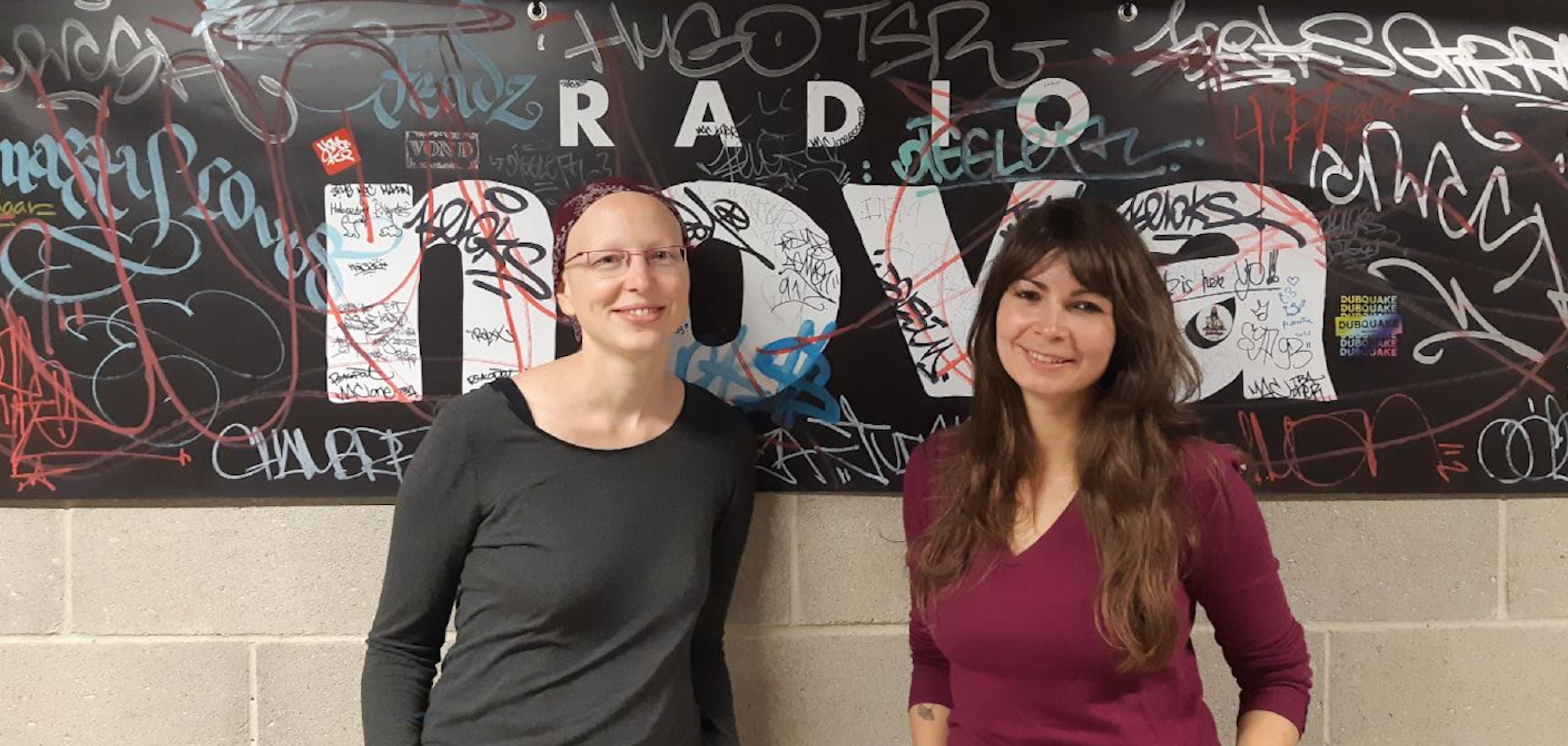

Fanny Petitbon et Elodie Nace

Fanny Petitbon répondra aux questions d’Élodie Nace, d’Alternatiba, dans l’Héroïne du Nova Jour.
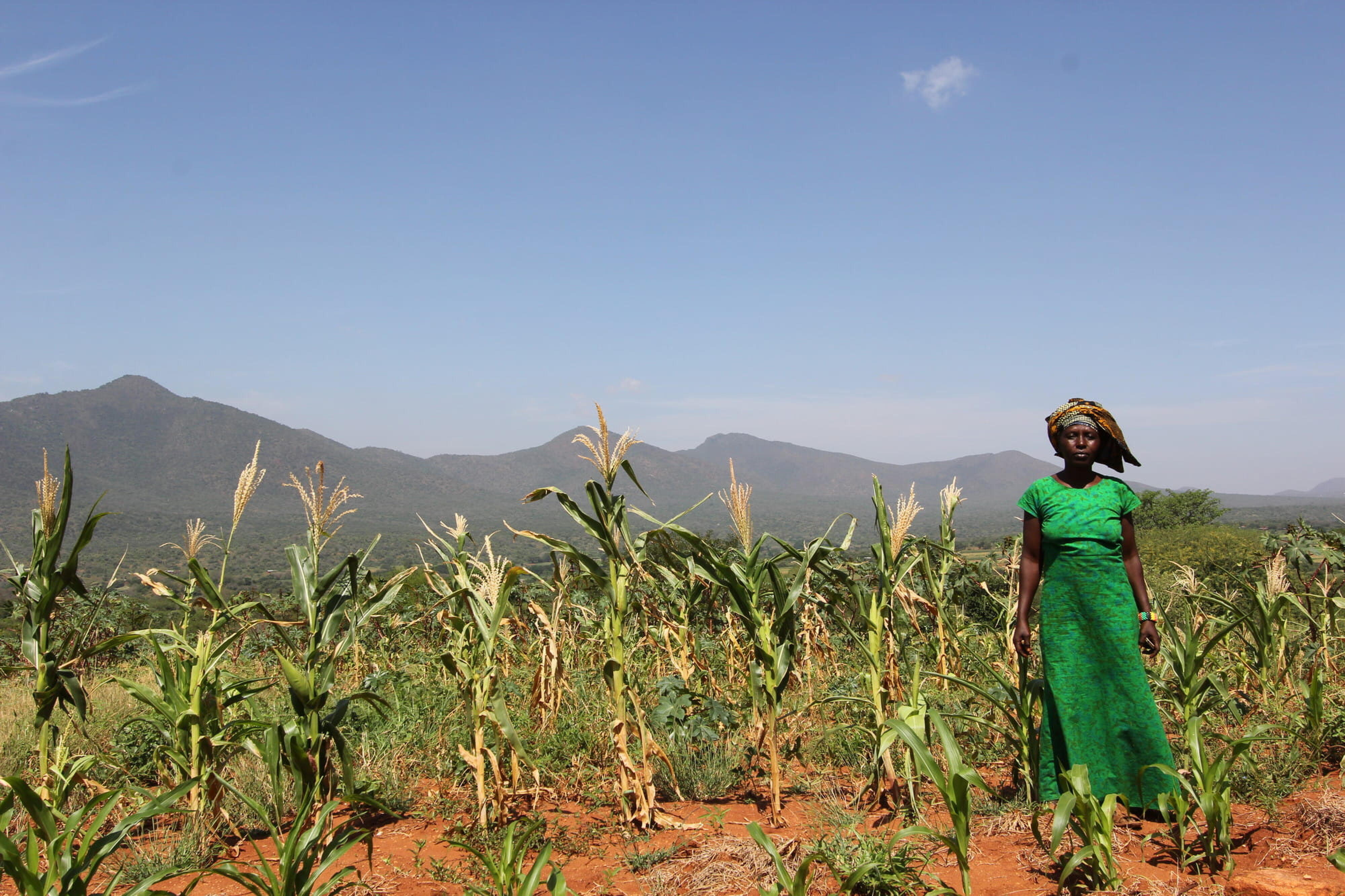


Fifty-year-old Nafika grows maize, leaf vegetables, onions and tomatoes on her farm in Mgwase village. She also has two cows and some chickens. Nafika has noticed a significant reduction in rains over recent years, which has made her crop yield less predictable and led to insecurity in her business.  ‘During the rainy season, we are confident we will get our crops, but now we have minimal rains and it is difficult for us to know if we will 
harvest.’ Nafika said that her yield reduces by as much as nine-tenths during times of drought, which has worsened over the past three years. The mother of seven children, this has a huge impact on her family’s livelihood.  She only has two children still dependant on her and one still in school, but the fees and food for the family are paid for by selling vegetables. Their diets have been affected: ‘When the drought wasn’t so bad, we could have three meals per day, but when there’s drought we can only afford one or two meals a day, and we only eat ugali. I wish my children could eat a variety of food, including more nutritious food like banana and beans.’ ‘Before the drought started getting bad, I had money, but now money is a problem. Food is a problem. A lot has changed.’ ‘When things were going well, I started building an extension on my house. But I’ve had to put this on hold.’ Because of the disruption caused by drought, Nafika has been forced to cut her losses somewhat and devote less time to the farm. To make up for lost income, she looks for extra cash elsewhere, working as a labourer on other people’s farms and cracking up rocks into small pieces to sell to construction workers.  Pointing to a mountain a few kilometres down the dirt road, Nafika said: ‘There is a big group of us who crack stones together, in a clearing below the mountain. We do it from 6am until midday, and sell the pieces to men with trucks who are doing construction work.’ This is Nafika’s job every other Monday and Tuesday. The weeks she isn’t doing this, she is labouring on other people’s farms.  She said: ‘It has to be Monday and Tuesday, because I have to go to the market on Wednesday to get food for my family, and if I miss it there is no other way I can get food. And the other days of the week, I have to work on my own farm.’ Nafika runs her farm with her husband and said they use everything they earn to buy food. He also cracks stones with her. ‘Everything we get, we use together,’ she said. But she admits that she works harder than her husband. ‘As well as working on the farm, I’m the one who is getting up early to make uji for the family, collecting firewood, bringing it home and housekeeping. I have a bigger role in the house.’  The new CARE project works with 2,460 farmers in six villages across the Same region of Tanzania. The region is feeling the impact of climate change with extreme weather including drought and floods, which damage people’s crops. The mostly female farmers will attend a Farmers’ Field Business School, where they’ll learn ‘climate smart’ farming techniques.

The project is funded through UK aid match (where the UK government matched donations made by CARE supporters to our Help Her Live, Learn and Earn campaign).  
Fifty-year-old Nafika grows maize, leaf vegetables, onions and tomatoes on her farm in Mgwase village. She also has two cows and some chickens. Nafika has noticed a significant reduction in rains over recent years, which has made her crop yield less predictable and led to insecurity in her business. ‘During the rainy season, we are confident we will get our crops, but now we have minimal rains and it is difficult for us to know if we will harvest.’ Nafika said that her yield reduces by as much as nine-tenths during times of drought, which has worsened over the past three years. The mother of seven children, this has a huge impact on her family’s livelihood. She only has two children still dependant on her and one still in school, but the fees and food for the family are paid for by selling vegetables. Their diets have been affected: ‘When the drought wasn’t so bad, we could have three meals per day, but when there’s drought we can only afford one or two meals a day, and we only eat ugali. I wish my children could eat a variety of food, including more nutritious food like banana and beans.’ ‘Before the drought started getting bad, I had money, but now money is a problem. Food is a problem. A lot has changed.’ ‘When things were going well, I started building an extension on my house. But I’ve had to put this on hold.’ Because of the disruption caused by drought, Nafika has been forced to cut her losses somewhat and devote less time to the farm. To make up for lost income, she looks for extra cash elsewhere, working as a labourer on other people’s farms and cracking up rocks into small pieces to sell to construction workers. Pointing to a mountain a few kilometres down the dirt road, Nafika said: ‘There is a big group of us who crack stones together, in a clearing below the mountain. We do it from 6am until midday, and sell the pieces to men with trucks who are doing construction work.’ This is Nafika’s job every other Monday and Tuesday. The weeks she isn’t doing this, she is labouring on other people’s farms. She said: ‘It has to be Monday and Tuesday, because I have to go to the market on Wednesday to get food for my family, and if I miss it there is no other way I can get food. And the other days of the week, I have to work on my own farm.’ Nafika runs her farm with her husband and said they use everything they earn to buy food. He also cracks stones with her. ‘Everything we get, we use together,’ she said. But she admits that she works harder than her husband. ‘As well as working on the farm, I’m the one who is getting up early to make uji for the family, collecting firewood, bringing it home and housekeeping. I have a bigger role in the house.’ The new CARE project works with 2,460 farmers in six villages across the Same region of Tanzania. The region is feeling the impact of climate change with extreme weather including drought and floods, which damage people’s crops. The mostly female farmers will attend a Farmers’ Field Business School, where they’ll learn ‘climate smart’ farming techniques. The project is funded through UK aid match (where the UK government matched donations made by CARE supporters to our Help Her Live, Learn and Earn campaign).  

  • Alternatiba
  • CARE France
  • changements climatiques
  • Élodie Nace
  • Fanny Petitbon
  • Le Héros du Nova Jour
  • Un Nova jour se lève

La rédaction vous recommande

Cyril Hanouna
Celebrities-At-2019-French-Open-Day-Ten_GettyimagesRindoff-PetroffSuu-Contributeur

"Cyril Hanouna est un pur produit de la société"

Le Héros du Nova Jour Stéphane Encel Un Nova jour se lève
A lire sur img large news
À la vie
A-LA-VIE_PHOTO_6_tandemfilms.fr_

"La bonne mère n’existe pas"

Aude Pépin Chantal Birman Cheek Magazine
A lire sur img large news
Debout les femmes !
©Gilles Perret - Les 400 clous 009

François Ruffin : "Avec ce film, on essaye de réveiller le pays"

François Ruffin Gilles Perret l’Assemblée nationale
A lire sur img large news

Par

Élodie Nace

Les plus lus

Fontaines D.C.
1.

La Route du Rock annonce Fontaines D.C. pour leur unique date française des festivals 2026 !

Les Inrocks Super Club
2.

Gagnez vos places pour les soirées des Inrocks Super Club les 26 novembre et 17 décembre prochains 

Barbara Butch
3.

Gagnez vos invitations pour la soirée de Barbara Butch à l’Opéra Comédie de Montpellier le 31 décembre

Céleste Métais-Grollier
4.

L'Autre Noël de Nantes, Nova y va

Centre national de la Danse
5.

HIP-HOP : Faire connaissances à La Villette

logo lesInrocks logo lesInrocks

Recevez les trésors de la rédac. Inscrivez-vous à la newsletter Nova Selecta

[sendify-optin-form list="15" placeholder="Votre email"]
Accueil
Recherche
Toutes les semaines, recevez les pépites musicales de la rédac.

Toutes les semaines, recevez les pépites musicales de la rédac.

Classiques d’aujourd’hui et de demain, raretés, rare grooves… le son de Radio Nova dans votre boîte mail, tous les jeudis à 18h.

Inscrivez-vous

Déjà inscrit ?

Connectez-vous
Radio Nova Radio Nova

L'actu

  • les radios
  • c’était quoi ce titre
  • les podcasts
  • les playlists
  • actualités
  • La grille de Radio Nova
  • les fréquences
  • nova aime
  • le shop

Populaires

Nova Aime
La dernière
Pierre-Emmanuel Barré
Guillaume Meurice
Juliette Arnaud
Aymeric Lompret
concert
Nantes
festival
Humour

À propos

  • Contact
  • Nova crew
  • Mentions légales
  • Nova – La dernière
  • Conditions générales d’utilisation
  • Je souhaite envoyer ma candidature à Radio Nova
  • Conditions générales d’utilisation et politique de confidentialité pour application Radio Nova
  • CGU & politique de confidentialité pour Nova TV